Burnout · 2 min read
Burnout Is Not a Time Management Problem
By Marilyn Gansel, PsyD, NBC-HWC
When an adolescent is exhausted, another planner or productivity app is probably not the answer. A closer look at demands, resources and values might be.
The usual advice is to manage time better: color-code the calendar, break up assignments, say no more often. Those tools can help at the margins. But burnout is largely driven by the conditions a person is living in, not by a shortage of planning skill.
What research points to
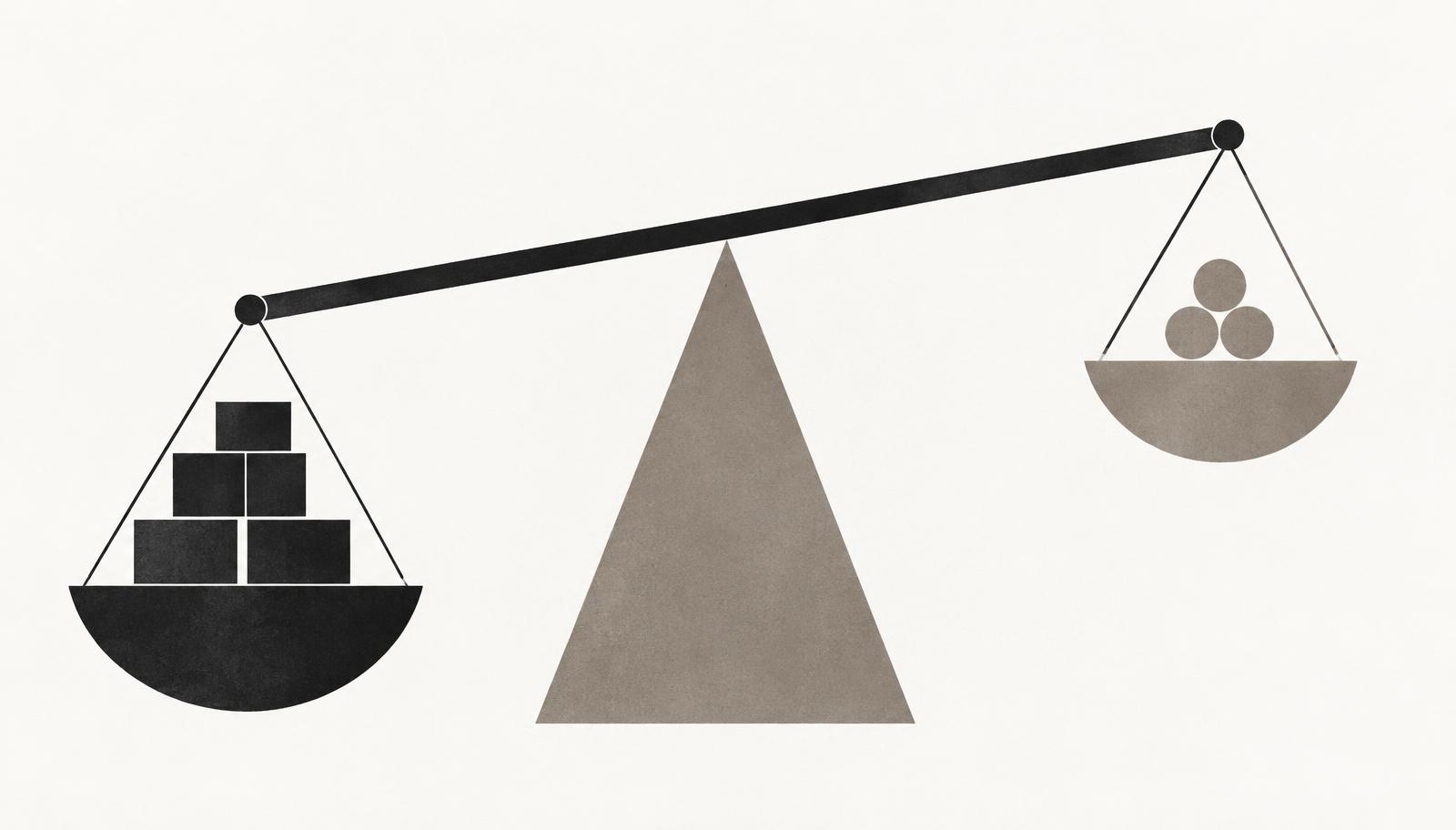
Occupational research has long described a pattern: when demands stay high and the resources to meet them stay low, people deplete. For adolescents, the drivers can look like this:
- Constant overload with no break in sight: school, sports, activities, test prep
- Little control over schedule or choices
- Not enough recognition for effort, only for results
- Weak support from the adults and peers around them
- Social pressure and comparison, especially online
- Values conflict, such as doing activities because they feel expected rather than meaningful
Notice that none of these is solved with a better to-do list.
Why this changes the response
If burnout is treated as a personal efficiency failure, adolescents blame themselves and work even harder, which deepens exhaustion. A better question is, "Where is the mismatch, and what can we change?"
A short audit to try together
On a sheet of paper, make two columns: Demands and Resources. List what is draining on one side and what refills on the other. Then circle:
- One demand that could be reduced, dropped or renegotiated
- One resource that could be added or protected, like sleep, a friend or a hobby
- One conversation that's been avoided and might lighten the load
For parents
Ask, "If you could take one thing off your plate, what would it be?" Be ready to hear an answer you don't expect, and to treat it as important information.
Burnout is a signal that something in the equation needs to change, not proof that an adolescent is failing. If you'd like help sorting out what to change first, let's talk.